
Spring brings new growth to landscapes—and new challenges for stormwater systems emerging from winter dormancy. Before vegetation can fully reestablish and neglected systems are addressed, early-season rainfall can stress Stormwater Control Measures (SCMs), resulting in flooding, erosion, and compliance issues. Proactive maintenance is essential to avoid costly disruptions.
Most properties rely on stormwater infrastructure that gets ignored until something breaks. This neglect becomes particularly risky during the winter-to-spring transition, exactly when rainfall picks up and winter damages surfaces.
Why Spring Preparation Matters for Stormwater Systems
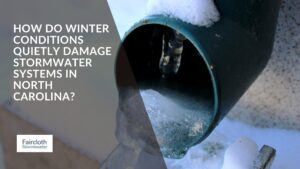
Winter punishes stormwater systems mercilessly. Pipes or seals may crack in freezing temperatures, drains clog with debris, and sediment fills detention areas. The arrival of spring rain has the potential to turn these small issues into expensive nightmares.
Weather records show spring typically brings more frequent, intense rainfall than winter months in most regions. This pattern puts extra pressure on stormwater systems weakened by winter conditions. A system that worked fine during drier winter months might collapse under April downpours.
Property owners skipping regular stormwater maintenance face:
- Emergency repair bills that wreck budgets
- Flood damage to buildings and grounds
- Violations and fines from regulators
- Premature system failure requiring replacement
- Contaminated runoff harming local waterways
Common Spring Stormwater Issues
Sediment Accumulation
Winter storms wash sediment into detention ponds, underground structures, pipes and drainage structures. This buildup shrinks capacity and hampers performance, especially during heavy rainfall. Just a few inches of sediment drastically reduces storage volume and impairs water treatment functions.
Our sediment removal services use targeted equipment and methods to restore system functionality before problems start. Professional removal handles sediment properly, meeting all environmental regulations.
Pipe Damage
Cold temperatures can create pipe and gasket cracks that undermine your drainage network. These broken sections often stay hidden until spring rains trigger system failures. Winter’s tiny fractures can grow larger with spring temperature shifts and increased rain.
Professional pipe inspection and repair services catch these problems early, preventing system failure. Modern repair techniques often fix issues without requiring full excavation, cutting costs and disruption.
Erosion Problems
Winter weather weakens soil stability around stormwater features, and dormant plants are less effective at preventing erosion. Spring rainfall accelerates soil loss, especially at inlets and outlets, threatening structural integrity and compliance. We address these issues with tailored regrading and stabilization strategies—preventing future damage and promoting long-term system health.
Clogged Storm Drains
Storm drains collect leaves, trash and winter debris that block water flow. Spring rains overflow these clogged drains, flooding parking areas, damaging landscaping and potentially entering buildings. One blocked drain can create widespread property damage.
Regular inspection catches these blockages before they cause problems. Our vac truck services clear obstructions efficiently, restoring proper drainage and preventing the chain reaction of failures that follows when water can’t flow properly.
Spring Inspection Checklist for Stormwater Systems
Smart property owners run these basic checks when winter transitions to spring:
- Visual inspection of all visible components
- Spot cracking, settling or displacement in concrete structures
- Look for erosion around inlets and outlets
- Monitor vegetation for dead spots or overgrowth
- Outlet structure assessment
- Clear debris from trash racks and screens
- Ensure that outflow orifice (downturn) has a minimum 1 ft clearance.
- Look for signs of clogging or blockage
- Basin/pond condition review
- Check sediment accumulation depth – are sand banks visible?
- Look for algae growth signs
- Assess shoreline stability and plant cover
- Below-ground component evaluation
- Book professional inspection for underground detention systems
- Inspect pipes for cracks, separation or blockages
- Verify all underground components work correctly
While maintenance staff can handle basic visual checks, professional stormwater inspections deliver thorough evaluation and documentation needed for compliance and system longevity.
Inspection timing matters greatly. Early spring inspections allow for fixes before peak rainfall hits. Many property managers schedule annual inspections in March or April to protect against spring and summer storms.
Professional inspectors use specialized tools and precision measuring devices, combined with advanced training and field experience. This expertise allows them to detect subtle or hidden issues that routine checks may overlook—ensuring a more reliable and complete system evaluation.
Regulatory Considerations for Spring Maintenance
Most localities require yearly inspection certifications for stormwater systems. Spring offers the perfect time for these inspections, catching winter damage before spring rains cause problems. Municipal Separate Storm Sewer System (MS4) NPDES permits typically require or prefer ongoing documentation of maintenance work and system performance.
Our in-house Professional Engineer certifies annual inspection reports, helping you meet er regulatory requirements. Professional certification provides documentation that satisfies strict regulatory standards and shields property owners from liability issues.
EPA and state agencies have stepped up stormwater regulation enforcement recently, making compliance increasingly important. Trends show higher penalties for violations and greater scrutiny of private stormwater systems. Clean Water Act violations can trigger penalties reaching thousands of dollars per day per violation, with additional state and local fines increasing financial exposure.
Without proper documentation, owners risk:
- Citations from regulators
- Substantial financial penalties
- Heightened regulatory oversight
- Complications during property sales
Long-Term Planning for Stormwater Management
Beyond spring preparations, responsible property owners need long-term stormwater planning. Systems built years ago often fall short of current standards and performance needs, especially as development increases the demand on stormwater systems.
Our engineering services include budget forecasting to help you plan for maintenance and repair costs throughout the system lifecycle. This forward-thinking approach prevents budget surprises and enables planned systematic upgrades instead of emergency responses. For aging systems, pond conversion solutions can transform outdated infrastructure into modern, effective stormwater controls that meet current standards. Planning now helps prevent emergencies later.
Take Action Before Spring Rains Arrive
Don’t wait for spring storms to expose stormwater problems. Preventive maintenance costs less than emergency repairs, especially considering potential property damage and regulatory fines.
Faircloth Stormwater brings 30+ years of combined expertise to help property owners prepare for spring rainfall. Our services cover all stormwater management aspects, from routine upkeep to complex engineering solutions. Led by experienced professionals including a licensed PE, we deliver both quick fixes and durable long-term solutions.
Request a Quote today to book a spring stormwater evaluation and prepare your property for the rainy season ahead.
Frequently Asked Questions
How often should stormwater systems be inspected?
Most regulatory agencies require annual inspections, but we recommend seasonal assessments, particularly before spring rainfall season and after major storm events. These regular check-ups help catch minor issues before they become major problems.
What signs indicate a stormwater system needs immediate attention?
Standing water 48-72 hours after rainfall, visible erosion, clogged inlets or outlets, structural damage to components, or water bypassing the system entirely are all warning signs that require prompt professional attention.
Can stormwater system maintenance be deferred to save money?
No. Deferred maintenance almost always results in higher long-term costs. Regular maintenance prevents catastrophic failures and extends system lifespan, providing better value over time.
Are property owners responsible for stormwater compliance?
Yes. Property owners bear responsibility for maintaining stormwater systems and complying with local, state and federal regulations. Failure to do so can result in fines and enforcement actions.
How can I budget for stormwater system maintenance?
Professional stormwater budget forecasting services can help establish appropriate reserves for both routine maintenance and eventual major repairs or replacements. This approach prevents financial strain when significant work becomes necessary.