
Stormwater Control Measures (SCMs) are engineered systems that manage runoff from rainfall. These structures protect water quality, mitigate flooding and meet regulatory requirements for properties and communities nationwide.
If you’ve heard the term “Best Management Practices” or BMPs, you’re referring to the same concept. The industry is in the process of steering away from BMP terminology because it was too broad and led to confusion. Today, SCM is the preferred term for these specific, engineered stormwater management solutions.
Stormwater management has changed dramatically since the Clean Water Act of 1972 established federal oversight of water pollution. Simple drainage ditches and ponds have given way to sophisticated systems that address quantity and quality concerns in developed areas.
Understanding Stormwater Control Measures
Stormwater Control Measures (SCMs) play a vital role in managing runoff by aiming to replicate the natural water cycle that existed prior to land development. These systems are engineered to collect, treat, store, or slowly release stormwater to reduce environmental impacts and mitigate flooding.
SCMs are especially important in urban and suburban areas where impervious surfaces—such as roads, parking lots, and buildings—prevent natural infiltration. Without effective stormwater management, runoff can carry pollutants into nearby waterways and contribute to erosion, flooding, and habitat degradation.
The foundation of SCM design is based on hydrology and water quality treatment principles. In undeveloped landscapes, soil and vegetation naturally filter contaminants and promote infiltration. SCMs are designed to mimic these natural processes using engineered techniques.
Key goals of SCMs include:
- Reducing pollutant loads in runoff, such as sediment, nutrients, heavy metals, petroleum products, and bacteria.
- Managing peak flow rates to prevent downstream flooding.
- Enhancing groundwater recharge where feasible.
- Complying with regulatory requirements at the federal, state, and local levels.
Each SCM is tailored to specific site conditions, local climate, and regulatory standards. Modern systems use various treatment mechanisms—such as filtration, sedimentation, biological uptake, and chemical processes—to address a wide range of pollutants and protect water quality.
Types of Stormwater Control Measures
Retention and Detention Ponds
These are among the most common SCMs found in residential and commercial developments. Retention ponds permanently hold water and provide continuous treatment, while detention ponds temporarily store runoff during storm events. Both systems help control flow rates and remove pollutants through settling and biological processes.
Retention ponds function as permanent water features that maintain a pool year-round. This permanent pool allows for extended time for pollutants to be removed before the water is discharged into the environment improving pollutant removal efficiency. The pond’s design typically includes multiple zones: a forebay for initial settling, a main treatment area, and an outlet structure that controls discharge rates.
Detention ponds, also called dry ponds, remain empty between storm events and fill only during rainfall. These systems focus primarily on flood control by temporarily storing peak flows and releasing them gradually. While they provide some water quality benefits through settling, their treatment capacity is generally lower than retention systems.
Both pond types require careful sizing based on drainage area, soil conditions, and local precipitation patterns. Maintenance needs include periodic sediment removal, vegetation management, and structural inspections of outlet controls and embankments.
Bioretention Areas and Rain Gardens
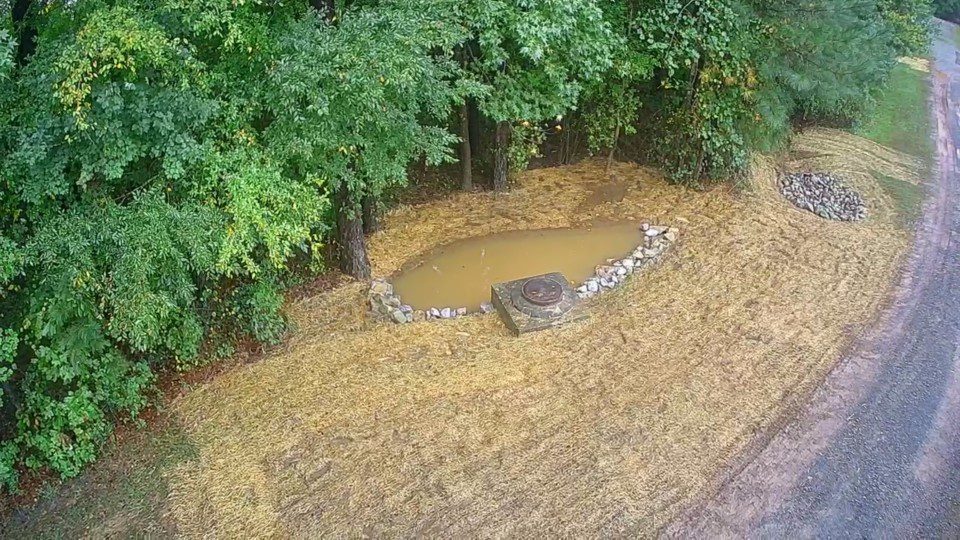
These vegetated systems use soil, plants, and microorganisms to filter and treat stormwater. Bioretention areas are typically larger installations in commercial settings, while rain gardens are smaller, residential-scale versions. Both rely on natural processes to remove pollutants and reduce runoff volumes.
The engineered soil media in these systems consists of specific sand, soil and organic matter ratios designed to promote infiltration while supporting plant growth. Native plants are preferred because they adapt well to local climate conditions and require minimal maintenance once established. Root systems create channels for water infiltration and provide surfaces for beneficial bacteria that break down pollutants.
Bioretention systems treat runoff through multiple mechanisms. Physical filtration removes sediment and debris, while biological processes in the root zone break down nutrients and organic compounds. Plant uptake removes excess nitrogen and phosphorus, and the soil media provides adsorption sites for heavy metals and other contaminants.
These systems typically handle smaller, more frequent storms effectively while providing aesthetic and habitat benefits. Design considerations include appropriate plant selection, soil media specifications, underdrain systems for areas with poor infiltration and overflow structures for larger storm events.
Underground Storage Systems
When surface space is limited, underground detention and infiltration systems provide stormwater management without consuming valuable real estate. These can include modular storage systems, large concrete vaults or gravel-filled trenches that temporarily store runoff.
Modular plastic or concrete chambers create void space underground for temporary water storage. These systems often incorporate geotextile fabrics and engineered stone to provide additional filtration. Installation requires careful attention to soil conditions, groundwater levels, and structural loads from surface activities.
Large concrete vaults offer substantial storage capacity in compact footprints. These systems typically include inlet and outlet controls, access points for maintenance and sometimes internal treatment components such as oil-water separators or filtration media. Vault systems work well in urban environments where surface space is at a premium.
Infiltration trenches and dry wells focus on groundwater recharge rather than just temporary storage. These systems require adequate soil permeability and sufficient separation from groundwater to function properly. Regular maintenance includes inspection of structural integrity and cleaning of storage areas.
Permeable Pavement Systems
These surfaces allow water to pass through the pavement into underlying stone reservoirs, reducing surface runoff. Common applications include parking lots, walkways, and low-traffic roadways where traditional drainage may be inadequate.
Permeable pavement technologies include porous asphalt, pervious concrete and interlocking pavers. Each type has specific design requirements and performance characteristics. Porous asphalt uses modified mix designs with reduced fine aggregates, while pervious concrete incorporates larger aggregate sizes with minimal sand content.
The structural design includes the surface course, an underlying stone reservoir, and often a geotextile separation layer above the subgrade. The stone reservoir provides temporary storage and supports traffic loads while allowing infiltration. Underdrain systems may be included in areas with poor soil infiltration rates.
Long-term performance depends heavily on proper maintenance. Regular vacuuming removes debris that can clog surface pores, while periodic inspection identifies areas needing repair. These systems work best in areas with lighter traffic loads.
Green Infrastructure
Green infrastructure uses nature-based solutions—such as green roofs, constructed wetlands, and vegetated swales—to manage stormwater sustainably. These systems go beyond water treatment by delivering additional environmental and community benefits.
By integrating vegetation and soil into the urban landscape, green infrastructure helps:
- Reduce runoff volume and improve water quality.
- Create habitats for birds, pollinators, and other wildlife.
- Improve air quality through plant uptake of pollutants.
- Mitigate the urban heat island effect by cooling surrounding areas.
Green infrastructure is often paired with other Stormwater Control Measures (SCMs) to form a treatment train—a series of connected systems that collectively enhance pollutant removal and runoff control. This integrated approach increases the overall efficiency and resilience of stormwater management strategies.
These nature-based solutions are a practical and visually appealing complement to traditional systems, offering both ecological function and community enhancement. They are widely adopted in sustainable development and low-impact design practices.
Regulatory Requirements and Compliance
Most stormwater control measures are required by federal, state or local regulations. The Clean Water Act and National Pollutant Discharge Elimination System permits often mandate specific performance standards for SCMs.
The NPDES Phase I & II program requires many municipalities and construction projects to implement stormwater management programs. Municipal Separate Storm Sewer System permits establish requirements for post-construction stormwater controls, including design standards, inspection schedules, and maintenance responsibilities.
Common regulatory requirements include annual inspections by qualified professionals, maintenance documentation and reporting, performance monitoring for pollutant removal and compliance with specific design standards. Many jurisdictions require professional engineer or trained specialist certification for inspection reports and maintenance plans.
Property owners are typically responsible for long-term maintenance and operation of these systems. Failure to maintain SCMs properly can result in violations, fines and system failure. Some jurisdictions have established stormwater utilities or special assessment districts to help fund ongoing maintenance and compliance activities.
Maintenance and Lifecycle Management
Stormwater control measures require regular maintenance to function effectively. The maintenance approach varies significantly by system type, age, and local conditions. Developing a comprehensive maintenance plan early in the system’s life helps prevent costly repairs and compliance issues.
Sediment removal represents one of the most common maintenance needs. Over time, sediment accumulates in ponds, inlets, and other system components, reducing capacity and treatment effectiveness. The frequency of sediment removal depends on the contributing drainage area, construction activity, and the system’s age since last cleaning.
Vegetation management in bioretention areas and constructed wetlands is essential for pollutant removal and system stability. This includes regular weeding, plant replacement, mulch application and occasional soil amendment. Proper plant selection and maintenance during initial installation reduces long-term maintenance requirements.
Structural repairs address concrete structures, pipes, and outlet controls that may require repair or replacement due to age, damage, or design inadequacies. Regular inspection helps identify problems before they become major failures. System upgrades may be needed when older systems must be modernized to meet current regulatory standards or handle increased development intensity.
Professional Stormwater Management Services
Managing stormwater control measures effectively requires specialized knowledge and experience. Professional services typically include system inspections, maintenance planning, regulatory compliance assistance, and emergency repairs.
At Faircloth Stormwater, our team combines over 30 years of stormwater management experience with in-house engineering capabilities. We provide comprehensive compliance assistance, professional inspections, and engineering services to help property owners maintain effective stormwater systems. Our expertise includes everything from routine maintenance to complex pond conversions and erosion control solutions.
Frequently Asked Questions
What is the difference between BMPs and SCMs?
BMPs (Best Management Practices) and SCMs (Stormwater Control Measures) refer to the same systems. The industry moved away from BMP terminology because it was too generic and caused confusion. SCM is now the preferred term for specific, engineered stormwater management structures.
How often do stormwater control measures need inspection?
Most jurisdictions require annual inspections of SCMs by qualified professionals. Some systems may need more frequent monitoring depending on their type, age, and local regulations. Regular inspections help identify maintenance needs before they become major problems.
Who is responsible for maintaining stormwater control measures?
Property owners are typically responsible for maintaining SCMs on their property. This includes regular cleaning, vegetation management, structural repairs, and compliance with regulatory requirements. Many owners contract with professional service providers for ongoing maintenance.
What happens if my SCM fails inspection?
Failed inspections can result in violations, fines, and required corrective actions. The specific consequences depend on local regulations and the severity of the issues. Professional stormwater management companies can help address deficiencies and restore compliance quickly.